History of the Order of Colonial Lords of Manors in America

Founding and Early Inspiration: Hester Dorsey Richardson
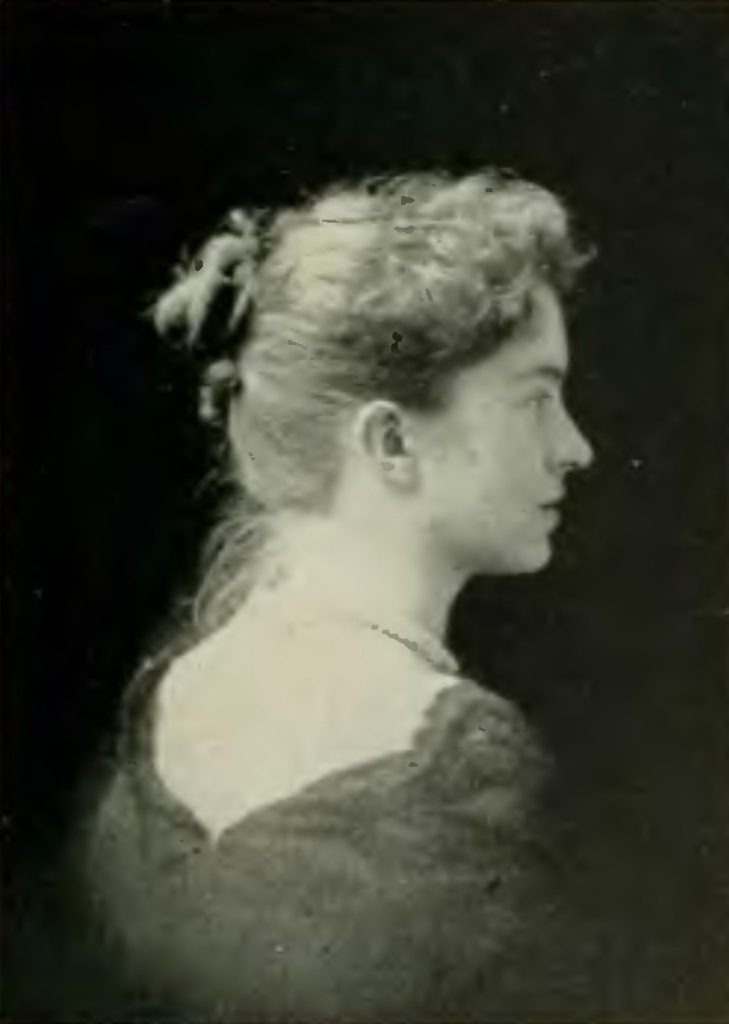
The Order of Colonial Lords of Manors in America was founded in 1911 by noted author and historian Hester Dorsey Richardson (Mrs. Albert Levin Richardson) of Baltimore, Maryland.
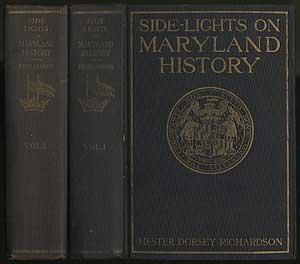
In recognition of her scholarly historical and genealogical articles for The Philadelphia Press, The Baltimore American, and Lippincott’s Magazine, Hester was listed in the 1906–1907 Who’s Who. Her weekly column Side Lights on Maryland History, which first appeared in the Baltimore Sunday Sun around 1904, became a best-selling book by 1913. She was appointed by the governor of Maryland to the Public Records Commission of Maryland in 1904.
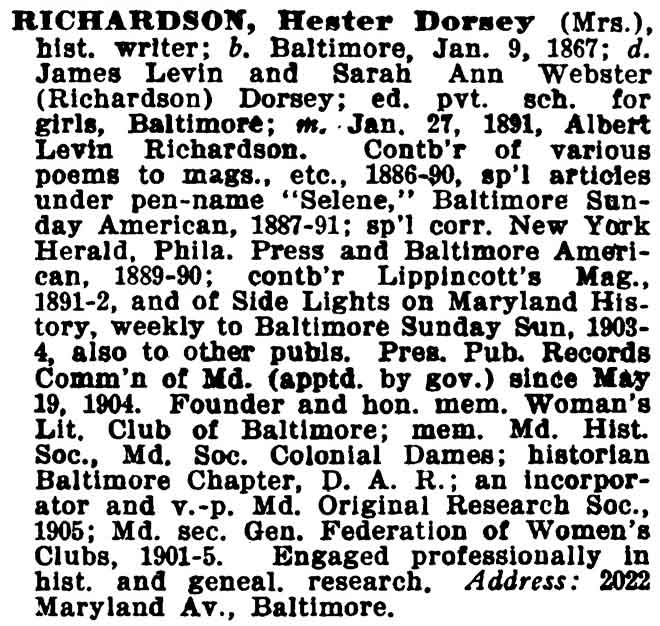
Hester was a member of the Maryland Historical Society, the Maryland Society of Colonial Dames, and the Baltimore Chapter of the Daughters of the American Revolution, where she held the office of Historian. She was an incorporator and vice president of the Maryland Original Research Society and Maryland Secretary of The General Federation of Women’s Clubs from 1901 to 1905.
Origins of Hereditary and Historical Societies
As models, the founders of these new societies took inspiration from post-Revolutionary War hereditary societies, notably the Society of the Cincinnati (1783). Other groups founded in the Colonial period eventually became hereditary societies, such as the Ancient and Honorable Artillery Company of Massachusetts (1637). National affiliation groups were also organized in the eighteenth century for the charitable relief of their countrymen, as well as for social interaction. Among these were the Welsh Society of Pennsylvania (1729), the Saint Andrew’s Society of Philadelphia (1747) and the Saint Andrew’s Society of New York (1756). English colonials formed the Saint George’s Society in 1770, and the Irish organized the Friendly Sons of Saint Patrick in Philadelphia (1771) and New York (1783).
After the Revolution, more ethnic-based civic-minded groups were established, such as the Welsh Saint David’s Society in New York (1801) and the (nominally Dutch) Saint Nicholas Society (1835).
Washington Irving, who founded the Saint Nicholas Society, was a child of Scottish immigrants but enamored of the Dutch. He felt that since they had been the founders of New York, they should have an ethnic society in addition to those for the Scottish, Welsh, English, and Irish. He chose as its namesake the patron saint of the Netherlands, and set 1785 as the cut-off date for ancestral residence in New York. Since he was born in New York in 1783, there was no question about his qualifications to join.
The Centennial and New Societies
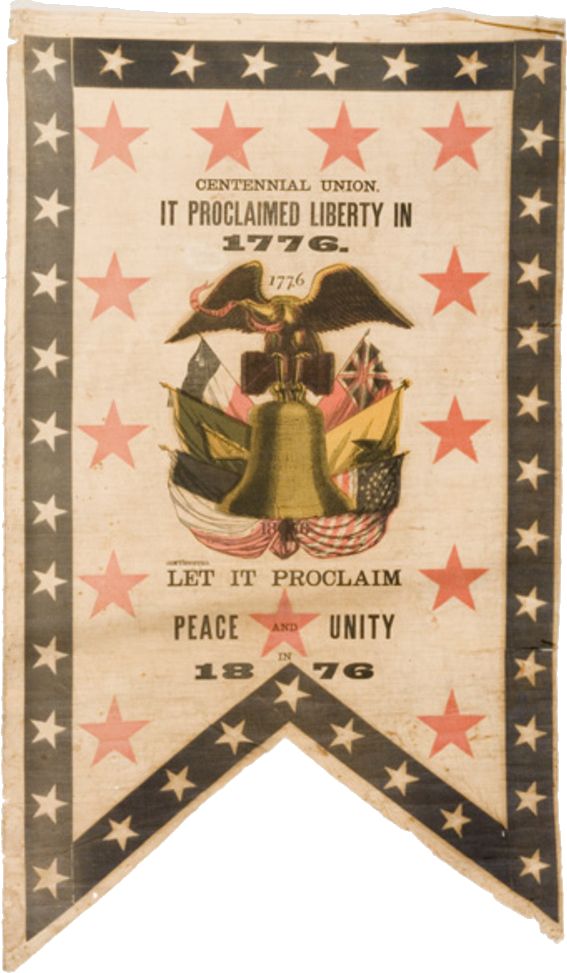
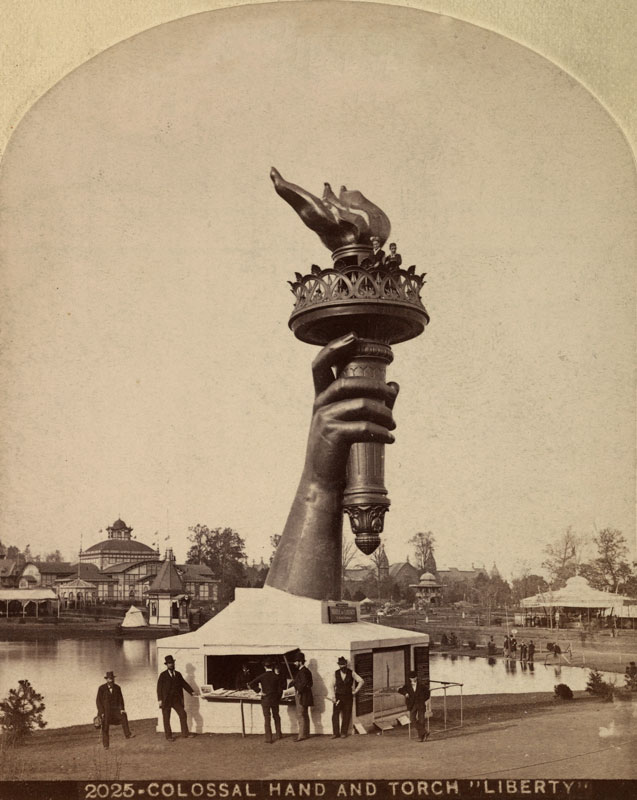
Born in the early 1860s, Hester Dorsey was at an impressionable age in 1876 when America celebrated its Centennial. (She claimed to be born in 1867, although the 1880 census lists her as being 18 years of age.) This post-war moment of national self-reflection generated renewed interest in the deeds of and services of colonial ancestors who came to America and of their descendants who served in the Revolution.
Around 1890, ladies descending from qualifying ancestors for the male-only Sons of the Revolution formed the (now defunct) Daughters of the Revolution of 1776. In 1890, the Colonial Dames of America was founded, and is now the oldest women’s genealogical organization in the country. Later that same year, the Daughters of the American Revolution was organized with great fanfare in Washington. In 1891, the National Society of Colonial Dames was established in Philadelphia. These new groups gave the men the idea of organizing the Society of Colonial Wars in New York in 1893, and the Order of Indian Wars in 1896. In 1897, the General Society of Mayflower Descendants was organized, accepting both men and women.
The Founding of The Order
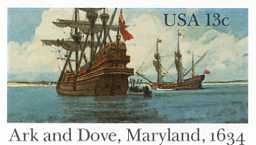
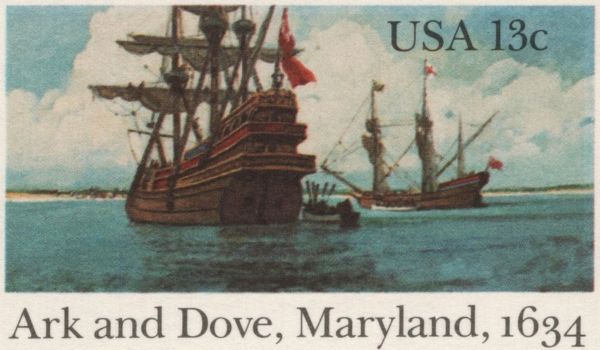
Hester joined every hereditary society that she could, but was stymied by the entrance requirements for Maryland’s Society of The Ark and The Dove (1910). The Ark and The Dove were the colonizing ships of the first Lord Proprietors of the Province of Maryland, Cecil Calvert, Lord Baltimore, and his brother Leonard. As Lords Proprietors, the Calvert siblings promoted a manorial system to expedite colonization. Hester had no qualifying ancestor who would make her eligible to join the society of descendants of those who arrived aboard those two ships.
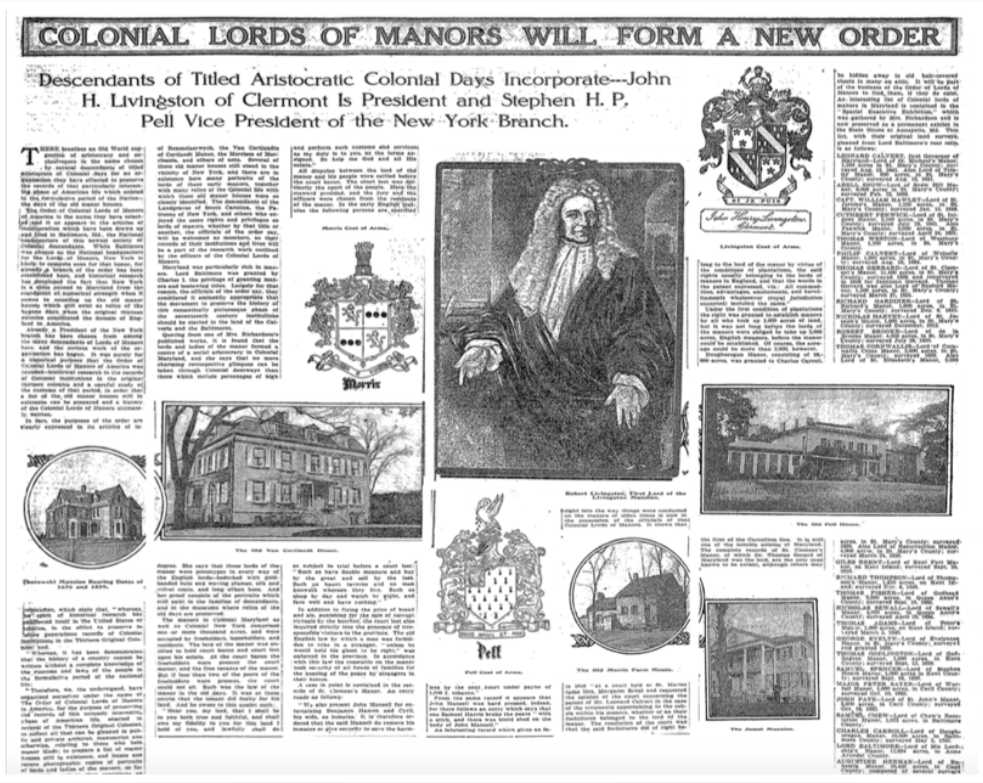
The very next year, in 1911, Hester Richardson decided that the Lords of the Maryland Manors and their families deserved to be commemorated in addition to the passengers of the two ships. It was her manorial descent and her interest in hereditary societies that led her to commemorate these men with the formation of the Order of Colonial Lords of Manors in America, admitting both men and women. Hester also knew that New York shared this same manorial land-grant system, and she invited descendants of the Livingston, Pell, Van Rensselaer and other New York manorial families to join the Order.
An article in the New York Times of May 21, 1911 lists the officers of at the founding of the organization as Hester Dorsey Richardson, President; Douglass H. Thomas, 1st Vice-President; Mrs. Edward Shippen, 2nd Vice-President, Mrs. Dunbar Hunt, 3rd Vice-President; Edwin Warfield, Treasurer; and Albert Levin Richardson, Official Genealogist and Registrar. The New York Branch flourished from the beginning.
The Order's Leadership and Growth
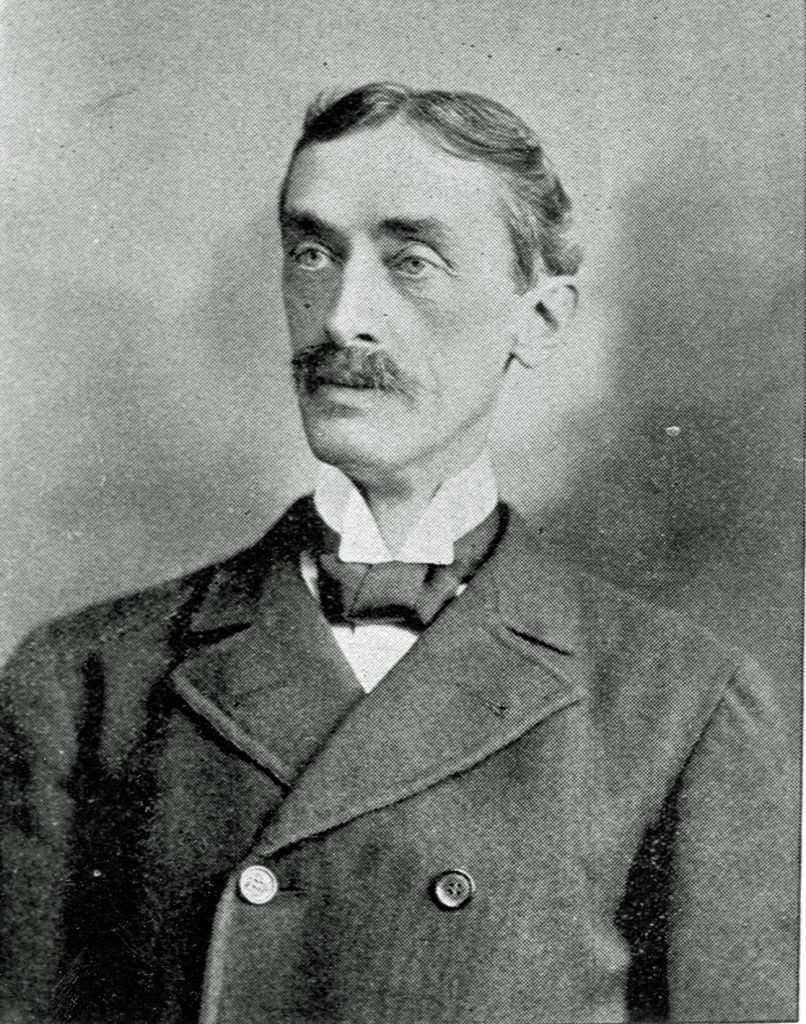
In 1911, John Henry Livingston of Clermont became the President of the New York Branch, continuing until his death in 1927, when he was succeeded by Stephen H. G. Pell, who stepped down after two years. Major Montgomery Schuyler was elected in his place and served from 1929 to 1955. Major Schuyler was an exceptional historian, and in 1944 edited a series of articles entitled Material for the Study of Maryland Manors, published by the Order, including the listing of 62 Maryland manors by Donnell MacClure Owings. Major Schuyler was also the author of Notes on the Patroonships, Manors and Seigneuries in Colonial Times, published by the Order in 1953, about New York and Canadian manors.
In 1953, Miss Sarah Diodati Gardiner left the Order $10,000 at her death. John White Delafield, the Treasurer at the time, invested this money wisely, and it became the initial capital of the Order’s endowment fund. John H. G. Pell, who succeeded to the presidency in 1962, had a vision of the Order helping preserve historical sites with grants. The focus of the Order gradually changed from one of commemoration to one of preservation. Grants were distributed to museums and organizations publishing material about the Colonial period. Since then, the Order of Colonial Lords of Manors in America has given hundreds of thousands of dollars in grants for historic preservation.
More recently, in addition to the lecture and the Timothy Field Beard Award traditionally presented at its annual meeting, the Order has been organizing field-trips for its membership to seventeenth-century manors and related sites.

Timeline of the Order of Colonial Lords of Manors in America
- 1632–1634
Cecil and Leonard Calvert establish Maryland under a manorial land grant system; The Ark and The Dove bring the first settlers.
- 1783
The Society of the Cincinnati is founded, marking the start of American hereditary and commemorative societies.
- 1876
America’s Centennial sparks renewed public interest in colonial and Revolutionary history.
- 1910
The Society of the Ark and the Dove is founded. Historian Hester Dorsey Richardson begins planning a society to honor manorial families.
- 1911
The Order of Colonial Lords of Manors in America is founded in Baltimore by Hester Dorsey Richardson.
The New York Branch forms and quickly becomes the most active.
- 1929–1955
The Order publishes Material for the Study of Maryland Manors.
- 1944
Notes on the Patroonships, Manors and Seigneuries in Colonial Times is published.
Sarah Diodati Gardiner leaves the Order a $10,000 endowment gift, funding future preservation grants.
- 1953
John H. G. Pell becomes President.
The Order begins supporting historic preservation projects and museum grants.
- 1962
The focus of the Order changes from commemoration to preservation, distributing grants to museums and organizations publishing material about the Colonial period.
- 2014
Upon achieving its commemorative goals, The National Society of Descendants of Lords of the Maryland Manors concludes its work and donates its papers to the Maryland State Archives.
- 2024
The National Society of Descendants of Lords of the Maryland Manors officially merges with the Order.
- Today
The Order continues to promote historical research, preservation, and public understanding of colonial manorial history.
The Order of Colonial Lords of Manors in America strives to ensure that the story of America’s manorial past — and its role in shaping our early communities — remains accessible, accurate, and alive for generations to come.